


Blog
How to Identify Pure Pashmina Shawl – A Guide from Nepal

Pure Pashmina shawls are among the most luxurious textiles in the world. When you wrap yourself in a genuine pure Pashmina shawl, you’re not just wearing fabric — you’re embracing centuries of Himalayan heritage.
Known as the “soft gold” of Nepal, Pashmina is prized for its luxurious texture, warmth, and elegance. However, with many fake or blended versions available in the market, it can be difficult to know whether your pure Pashmina shawl is authentic.
In this guide, we will explore how to identify a pure Pashmina shawl and understand what makes this Himalayan treasure so special.
What Is Pashmina?
The word Pashmina comes from the Persian word “Pashm,” meaning fine wool.
A pure Pashmina shawl is made from the soft undercoat of the Chyangra goat (Capra hircus), which lives in the high-altitude Himalayan regions of Nepal and Tibet.
Because of the extremely cold climate, these goats develop ultra-fine wool fibers measuring only 12–16 microns in diameter. These delicate fibers are carefully hand-spun and woven by skilled artisans to create authentic Nepali Pashmina shawls.
You can learn more about Pashmina wool here:
https://en.wikipedia.org/wiki/Pashmina
Difference Between Pashmina and Cashmere
Many people confuse Pashmina and cashmere, but there are important differences between the two. While both fibers come from goat wool, a pure Pashmina shawl is made from the ultra-fine undercoat of the Chyangra goat, which lives in the high-altitude Himalayan regions of Nepal and Tibet.
Because these goats survive in extremely cold climates, they develop exceptionally fine wool fibers measuring around 12–16 microns, making Pashmina softer and more delicate than regular cashmere.
Cashmere, on the other hand, is a broader term used for wool obtained from different breeds of goats found in regions such as China, Mongolia, and Iran. The fibers are usually slightly thicker than Pashmina, which makes them less soft but still warm and comfortable.
This is why a pure Pashmina shawl from Nepal is often considered one of the most luxurious and valuable natural fibers in the world.

Why Pashmina Is So Special
A pure Pashmina shawl is admired worldwide for its exceptional quality and luxurious feel.
• Exceptionally Soft: A genuine Pashmina shawl feels feather-light and silky against the skin.
• Warm Yet Breathable: Despite its warmth, Pashmina remains breathable and comfortable.
• Completely Handmade: Every Pashmina shawl is hand-spun and handwoven by skilled Himalayan artisans.
• Natural & Sustainable: Authentic Pashmina fiber is ethically collected and environmentally friendly.
How to Identify a Pure Pashmina Shawl
Here are some reliable ways to identify an authentic Pashmina shawl and avoid synthetic imitations.
1. Feel the Texture
A genuine pure Pashmina shawl feels extremely soft, warm, and lightweight. The fabric should feel smooth but not slippery like synthetic blends.
Because it is handmade, slight irregularities in the weave are normal.
2. Check the Weave
Pure Pashmina is always handwoven. If the fabric looks perfectly uniform or machine-made, it is likely not a genuine pure Pashmina shawl.
3. Burn Test (Optional)
If you have a loose fiber thread:
• Real Pashmina smells like burnt hair and turns into soft ash.
• Synthetic fibers smell like burning plastic and melt into hard beads.
4. Price Reflects Purity
An authentic pure Pashmina shawl is relatively expensive due to the rare fiber and labor-intensive craftsmanship involved.
If the price is extremely cheap, it is most likely not genuine Pashmina.
5. Certification Label
Always look for the Chyangra Pashmina trademark, issued by the Nepal Pashmina Industries Association (NPIA).
This certification guarantees that the product is made from 100% Nepali Pashmina fiber.
6. Warmth Test
Wrap the pure Pashmina shawl around your neck. Genuine Pashmina quickly absorbs body heat and feels warm almost instantly.
7. Light Test
Hold the shawl against the light. A genuine pure Pashmina shawl allows light to pass through evenly and reveals delicate natural fibers.
Caring for Your Pashmina
A pure Pashmina shawl can last for decades if properly cared for.
• Dry clean or gently hand wash with mild detergent
• Store in a breathable cotton bag or muslin cloth
• Avoid plastic covers
• Keep away from moisture and direct sunlight
Why Choose Nepali Pashmina
Nepali artisans are globally respected for their delicate weaving skills passed down through generations.
Every Pashmina shawl from Nepal represents patience, craftsmanship, and tradition.
When you purchase authentic Nepali Pashmina, you are not only buying a luxury product but also supporting Himalayan artisans and sustainable communities.
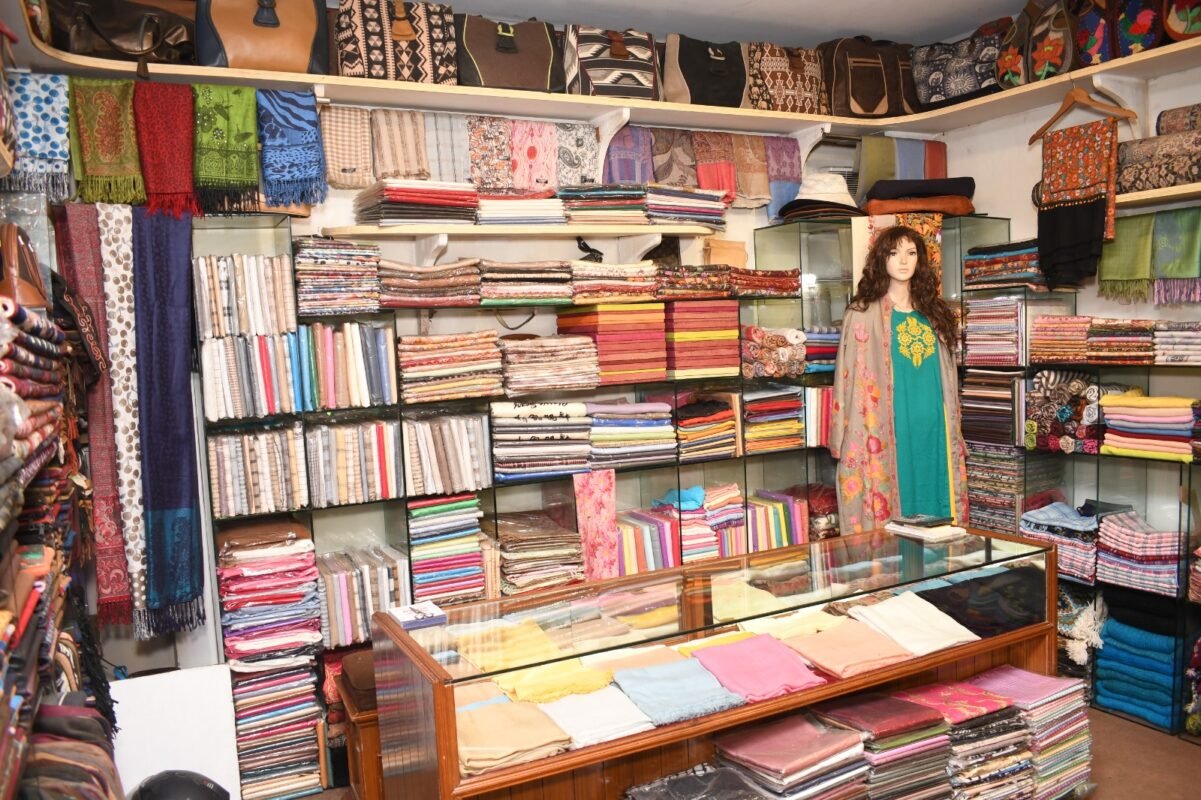
Explore our Nepali Pashmina collection at Handcrafts Gallery.
Conclusion
A pure Pashmina shawl is more than just a fashion accessory — it is a symbol of Himalayan heritage and craftsmanship.
By learning how to identify a genuine pure Pashmina shawl, you can ensure that you are investing in a timeless piece of luxury that will last for years.
People Also Ask About Pure Pashmina Shawls
What is the difference between Pashmina and cashmere?
Pashmina is a finer form of cashmere wool obtained from the undercoat of the Chyangra goat found in the Himalayan region. Because the fibers are thinner and softer, a pure Pashmina shawl feels more luxurious than regular cashmere.
How can you tell if a Pashmina shawl is real?
A pure Pashmina shawl is extremely soft, lightweight, and warm. You can identify authentic Pashmina by checking the texture, examining the handwoven fibers, and looking for the Chyangra Pashmina certification label.
Why is pure Pashmina so expensive?
A pure Pashmina shawl is expensive because the wool is rare and collected in small quantities from high-altitude goats. The process of spinning and weaving Pashmina is also done by hand, requiring significant time and craftsmanship.
Can pure Pashmina be washed?
Yes, but it should be washed carefully. A pure Pashmina shawl is best dry-cleaned or gently hand-washed using mild detergent to preserve its softness and shape.
Is Pashmina warmer than wool?
Yes. Despite being lightweight, a pure Pashmina shawl provides excellent insulation because the fibers trap heat effectively while remaining breathable.